
Understanding Exhaust Hood Installation Basics
When it comes to ensuring a clean and safe kitchen environment, understanding exhaust hood installation is crucial. Exhaust hoods play a vital role in removing smoke, steam, and odors generated during cooking, contributing to better indoor air quality and kitchen safety. Whether you’re a homeowner upgrading your kitchen or a restaurant owner looking to enhance your commercial kitchen, knowing the fundamentals of exhaust hood installation can lead to more efficient cooking and a pleasant atmosphere. Not only does it help in maintaining hygiene, but it also protects kitchen appliances from grease buildup. When exploring options, exhaust hood installation provides comprehensive insights into the best practices and standards for both residential and commercial spaces.
What is an Exhaust Hood?
An exhaust hood, also known as a range hood or kitchen hood, is a device that hangs above your stove or cooktop. Its primary function is to ventilate the kitchen by capturing heat, smoke, grease, and cooking odors. This not only keeps the kitchen air cleaner but also prevents the accumulation of grease on surfaces, thereby reducing fire hazards. Exhaust hoods can be ducted, which vents air outside, or ductless, which recirculates air through filters before sending it back into the kitchen.
The Importance of Proper Installation
Proper installation of an exhaust hood is critical for its efficiency and functionality. A poorly installed hood may fail to ventilate properly, leading to lingering odors and excess moisture in the air. Moreover, ensuring the hood is at the correct height and angle can significantly impact its performance. Inadequate installation may also lead to increased energy costs, as the system may have to work harder to clear the air. To ensure a successful installation, following manufacturer guidelines and local building codes is essential.
Common Types of Exhaust Hoods
Exhaust hoods come in various types, each designed for specific kitchen layouts and cooking styles. The most common types include:
- Wall-Mounted Hoods: These hoods are mounted on the wall above the cooking surface and are great for kitchens with a traditional layout.
- Island Hoods: Designed for open kitchen spaces, these hoods are suspended from the ceiling and provide ventilation for cooking islands.
- Under-Cabinet Hoods: These are installed underneath cabinets, making them ideal for smaller kitchens with limited space.
- Ductless Hoods: Ideal for apartments or homes without proper venting, these hoods filter air and recirculate it back into the kitchen.
- Professional-Grade Hoods: These are typically found in commercial kitchens, offering high performance and durability.
Preparation for Exhaust Hood Installation
Essential Tools and Materials Needed
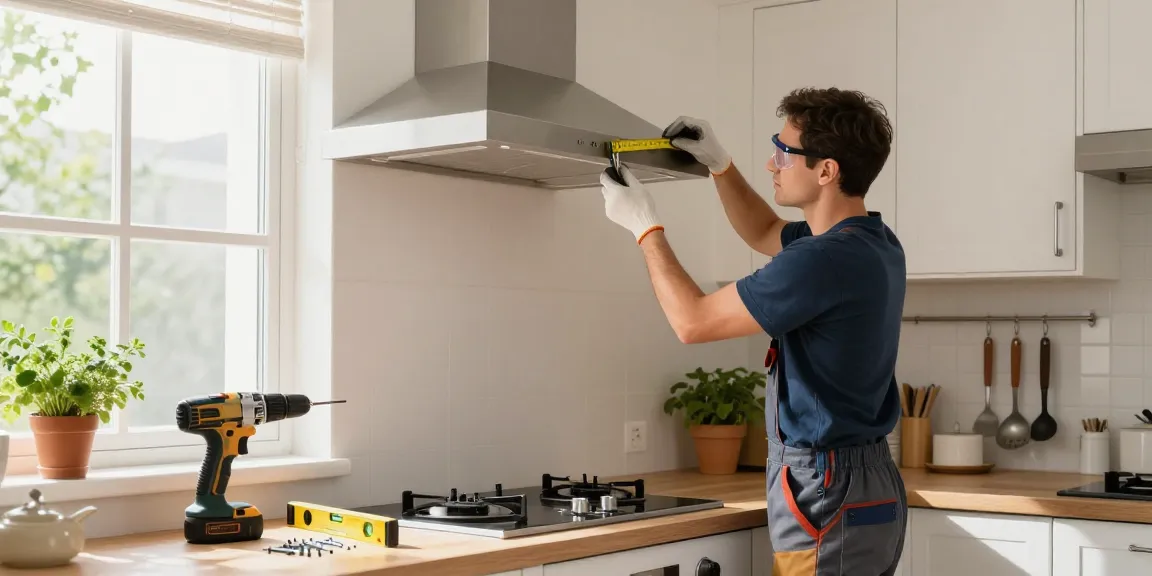
Before embarking on your exhaust hood installation project, having the right tools and materials is essential for a hassle-free process. Common tools include a drill, stud finder, measuring tape, level, screwdriver, and safety gear such as gloves and goggles. Materials may comprise screws, ducting, electrical wire, and specific mounting hardware provided by the hood’s manufacturer.
Assessing Your Kitchen Space
A thorough assessment of your kitchen space is necessary before installation. Consider the following factors:
- Location of the stove or cooktop
- Ceiling height and structure
- Electrical outlets and ducting paths
- Proximity to windows and other ventilation sources
Understanding these aspects will help you determine the best placement for your exhaust hood and ensure effective ventilation.
Safety Precautions to Follow
Safety is a priority during any installation project. Ensure you turn off the power supply to the kitchen to avoid electrical shocks. Using tools safely and following all manufacturer instructions can prevent accidents. If working at heights, utilize a sturdy ladder and have someone assist you to avoid falls.
Step-by-Step Guide to Installing an Exhaust Hood
Planning the Ventilation Path
Before the actual installation begins, planning the ventilation path is paramount. Determine whether to vent through the roof or side wall, considering the distance and any obstacles such as beams or pipes that may be in the way. Ensure that ducts are as straight as possible to maximize performance and efficiency.
Securing the Exhaust Hood to the Wall
Once you’ve planned the venting path, it’s time to secure the exhaust hood. Use a stud finder to locate wall studs and mark their positions. Align the mounting bracket of the hood with these marks before attaching it securely with screws. Always use a level to ensure the hood is straight.
Electrical Considerations and Wiring
Connecting the electrical components of the exhaust hood is often one of the most critical parts of the installation process. If you are unfamiliar with electrical work, hiring a licensed electrician is recommended. Make sure to comply with local electrical codes to ensure safety and functionality. Proper grounding is essential for preventing electrical hazards.
Common Challenges in Exhaust Hood Installation
Misalignments and Installation Errors
One of the most common issues during exhaust hood installation is misalignment. This may result in ineffective venting or a visually unappealing appearance. To avoid this, take your time measuring and aligning every component before securing it in place. Double-check your work as you go to ensure everything is positioned correctly.
Addressing Ventilation Issues
If your exhaust hood is not performing as expected after installation, you may face ventilation issues. Common culprits include incorrect duct sizes, blockages, or insufficient power of the fan system. Regular maintenance, including cleaning filters and ducts, is also crucial for optimal performance.
Overcoming Space Limitations
In smaller kitchens, space limitations often pose unique challenges. In such cases, consider compact or under-cabinet hoods that fit your space without compromising functionality. Wall-mounted or ductless options can also be beneficial, maximizing your kitchen’s overall efficiency.
Future Trends in Exhaust Hood Technology
Innovations to Expect in 2026
The kitchen appliance industry is continually evolving. In 2026, expect to see innovations such as more energy-efficient exhaust hoods and advanced filtration systems that remove pollutants more effectively. These advancements will enhance cooking experiences and contribute to healthier indoor environments.
Smart Features in Modern Exhaust Hoods
As smart technology gains traction in household appliances, exhaust hoods are no exception. Features such as automated fan speed adjustments based on cooking conditions, remote operation via smartphone apps, and integration with smart home systems are becoming increasingly common, making kitchen management more convenient.
Energy Efficiency Trends in Kitchen Equipment
Energy efficiency is a growing concern in all areas of home design, including kitchen appliances. Modern exhaust hoods are being designed with energy-saving features, such as LED lighting and quiet motors that consume less energy while maintaining high performance. These advancements not only reduce utility bills but also contribute to a sustainable kitchen environment.