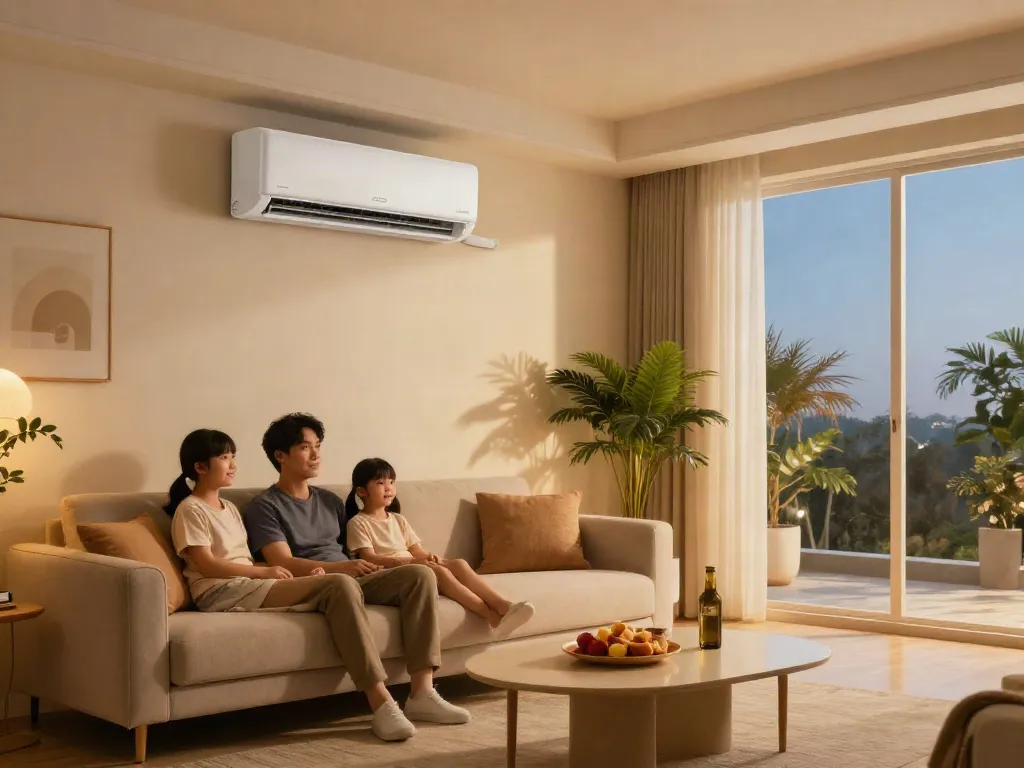
Understanding Mini Split Air Conditioners
As temperatures rise and energy costs soar, homeowners are increasingly turning to innovative solutions for climate control. One such solution that has gained popularity in recent years is the mini split air conditioner. These systems offer a compelling alternative to traditional HVAC units, providing energy-efficient cooling and heating tailored to individual spaces. When exploring options, a mini split air conditioner offers various benefits that can significantly enhance your home comfort while optimizing energy use.
What is a Mini Split Air Conditioner?
A mini split air conditioner is a ductless HVAC system that provides cooling and heating to specific areas of a home. Unlike traditional central air systems that rely on extensive ductwork, mini splits consist of two main components: an outdoor compressor unit and one or more indoor air-handling units. These indoor units can be mounted on walls or ceilings, allowing for flexible installation and tailored climate control. Mini splits operate using refrigerant to transfer heat between the inside and outside, making them a highly efficient option for regulating temperature.
Advantages of Mini Split Systems
Mini split air conditioners come with several advantages, making them an appealing choice for homeowners. Here are some key benefits:
- Energy Efficiency: Mini splits are known for their high SEER (Seasonal Energy Efficiency Ratio) ratings, often ranging from 15 to 30, depending on the model. This translates to significant energy savings compared to traditional systems.
- Flexible Installation: The absence of ductwork means that mini splits can be installed in virtually any space, from small apartments to large homes. Multiple indoor units can be connected to a single outdoor unit, offering customizable temperature control.
- Improved Air Quality: Ducted systems can harbor dust, allergens, and pollutants within the ducts. Mini splits, by contrast, improve indoor air quality with filters that can be regularly cleaned or replaced.
- Quieter Operation: These systems are designed to operate quietly, making them ideal for bedrooms and living spaces.
Common Misconceptions about Mini Splits
Despite their many advantages, there are several misconceptions surrounding mini split air conditioners. One common myth is that they are only suitable for smaller spaces. In reality, mini splits can efficiently cool large areas when designed correctly. Another misconception is that mini splits are too expensive. While the initial investment may be higher than traditional units, the long-term energy savings often offset this cost. Moreover, the flexibility and efficiency they provide can result in a better return on investment.
Key Features to Look For in Mini Split Air Conditioners
Energy Efficiency Ratings Explained
When considering which mini split air conditioner to purchase, energy efficiency ratings are crucial. The SEER rating measures how well an air conditioning system operates over a cooling season. A higher SEER indicates greater efficiency and lower operating costs. As of 2026, many new models feature advanced inverter technology that allows the compressor to run at variable speeds, further enhancing efficiency and comfort.
Noise Levels and Comfort Considerations
Noise levels can significantly affect comfort in your living space. Most mini split systems operate at sound levels between 19 and 50 decibels, which is quieter than traditional systems. Look for models with low noise ratings if quiet operation is a priority for you. Additionally, some mini splits offer features like variable fan speeds and different operation modes to customize comfort levels in every room.
Smart Technology Integration
In the age of smart homes, many mini split air conditioners now come with smart technology integration. This allows for remote control via smartphone apps, voice commands, and even integration with home automation systems. Such features enhance convenience and can contribute to energy savings by allowing you to manage your system more effectively.
Popular Mini Split Air Conditioner Brands Reviewed
Comparative Analysis of Top Brands
Several brands lead the market in mini split air conditioners, each offering unique features and benefits:
- Mitsubishi: Known for their advanced technology and efficiency, Mitsubishi mini splits often feature high SEER ratings and quiet operation.
- LG: LG offers a variety of models that are not only efficient but also come with user-friendly controls and smart technology integration.
- Daikin: As one of the largest manufacturers, Daikin provides a range of options with reliable performance and robust warranties.
- Fujitsu: Fujitsu systems are known for their exceptional heating capabilities, making them suitable for colder climates.
Customer Reviews and Satisfaction Ratings
Before purchasing a mini split air conditioner, it's essential to read customer reviews to gauge satisfaction and performance. Many users praise the energy efficiency and quiet operation of mini splits. However, some complaints include installation challenges and higher upfront costs. Consider looking for independent reviews and consumer reports to better understand how different models perform in real-world conditions.
Price Range and Value for Money
The cost of mini split air conditioners can vary significantly based on brand, capacity, and features. On average, homeowners can expect to pay between $2,000 and $5,000 for a complete system, including installation. While this may seem steep initially, the long-term energy savings and improved comfort can make mini splits a worthwhile investment for many households.
Installation and Maintenance Tips for Mini Split Systems
Professional Installation vs. DIY
Deciding between professional installation and a DIY approach depends on your skill level and comfort with HVAC systems. While some homeowners may feel confident enough to install a mini split themselves, it’s often advisable to hire a professional. Proper installation is crucial for optimal performance and can affect warranty coverage.
Routine Maintenance Practices
Maintaining your mini split system is essential for ensuring its longevity and efficiency. Regularly cleaning or replacing filters, checking refrigerant levels, and inspecting the outdoor unit for debris can help keep your system running smoothly. Scheduling annual check-ups with a professional technician can also prevent issues down the road.
Common Installation Mistakes to Avoid
When installing a mini split air conditioner, various pitfalls can affect performance. Some common mistakes include:
- Improper placement of indoor units, which can lead to uneven cooling.
- Neglecting to insulate refrigerant lines, which can cause energy loss.
- Failing to adequately seal the wall penetrations, leading to air leaks.
Future Trends in Mini Split Technology
Emerging Innovations for 2026
As technology continues to evolve, mini split air conditioners are expected to see several innovations in the coming years. Trends include enhanced smart features that allow for more precise control, improved energy efficiency standards, and the integration of renewable energy sources, such as solar panels.
Environmental Impact and Sustainability
With increasing attention on environmental issues, many manufacturers are focusing on creating more sustainable products. This includes using eco-friendly refrigerants and improving the overall energy efficiency of mini splits to reduce carbon footprints. Consumers are becoming more aware of the environmental impact of their choices, which will continue to shape the mini split market.
Consumer Preferences Shaping the Market
Consumer priorities are changing, with a growing emphasis on energy savings, comfort, and smart technology. Brands that can meet these demands are likely to excel in future market trends. Innovations that cater to these preferences will be essential for remaining competitive in the mini split market.
What are the disadvantages of a mini split?
While mini split systems offer numerous advantages, they also come with potential drawbacks. Higher initial costs, aesthetic considerations for indoor units, and complexity in installation can be seen as disadvantages. Additionally, if not properly maintained, the efficiency gains can diminish over time.
Is a mini split air conditioner worth it?
Ultimately, whether or not a mini split air conditioner is worth the investment depends on individual circumstances, such as the specific heating and cooling needs of your space, budget, and long-term goals regarding energy efficiency.
How much does a mini split cost for a 2000 sq ft house?
The cost to install a mini split system for a 2000 sq ft house generally ranges from $3,500 to $7,500, depending on the number of units required, the quality of the system, and local installation costs. It’s advisable to get quotes from several contractors to ensure the best deal.
Can I install a mini split myself?
While it’s possible for experienced DIYers to install a mini split air conditioner, it’s recommended to hire a professional. Proper installation is critical for the unit’s performance and efficiency, and errors can lead to issues that negate the benefits of the system.
What is the lifespan of a mini split air conditioner?
A well-maintained mini split air conditioner can last between 15 to 20 years. Regular maintenance and timely repairs can extend the lifespan of the unit, ensuring it continues to perform efficiently over the years.